Vegetables and Fruits
Aim to fill roughly half your plate with a variety of colours. A diverse range of vegetables and fruits adds visual appeal and meal variety. Seasonal New Zealand produce offers excellent options year-round.
Food balance is not about eliminating categories or following restrictive rules. It is about learning how different foods fit into everyday meals and how to combine them in ways that feel natural and satisfying. This page shares general educational information only.
Discuss Your Meals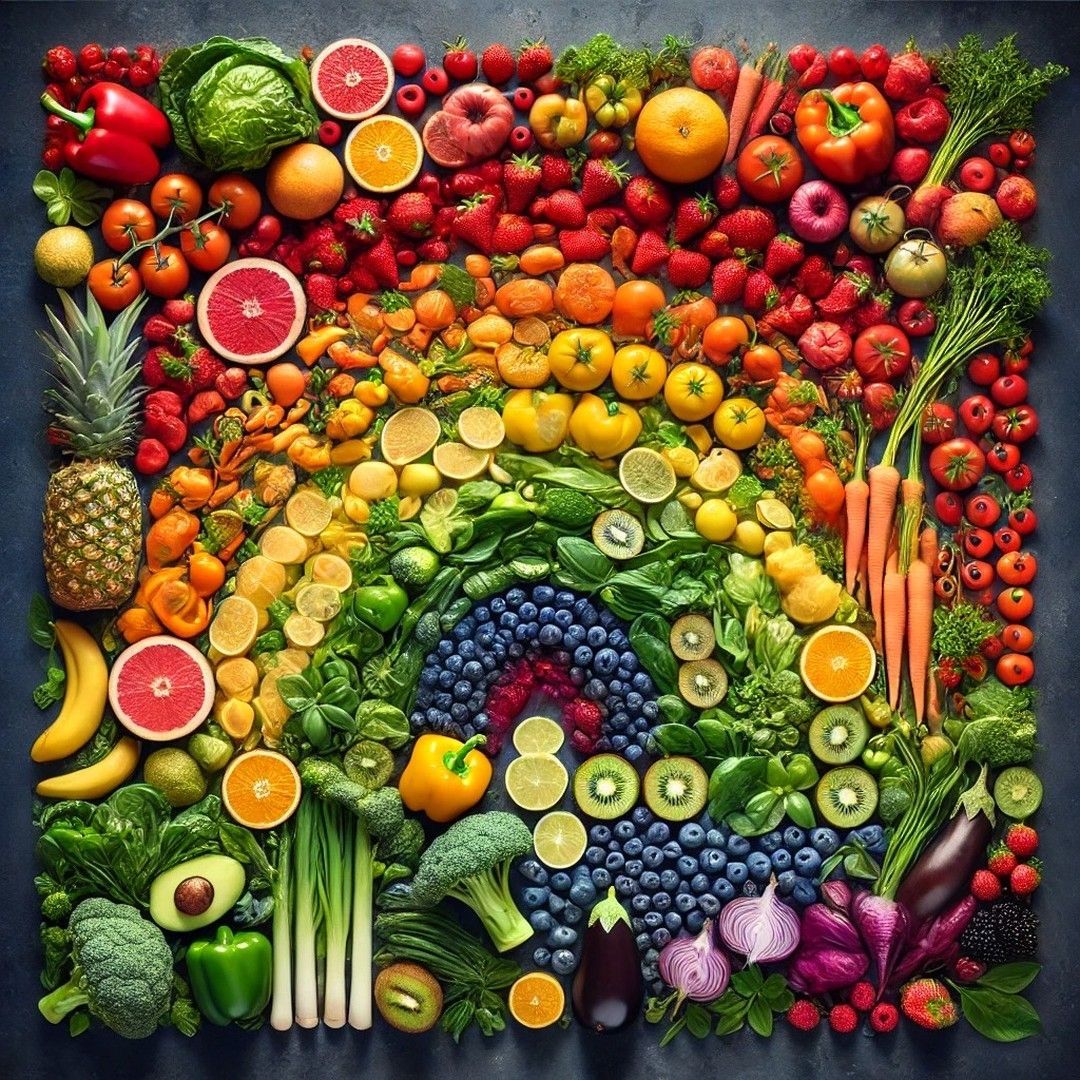
These educational principles form the basis of every consultation we conduct at Refreshactive.
Aim to fill roughly half your plate with a variety of colours. A diverse range of vegetables and fruits adds visual appeal and meal variety. Seasonal New Zealand produce offers excellent options year-round.
Complex carbohydrates provide sustained energy. Brown rice, oats, kumara, and wholegrain bread are accessible staples that support steady nourishment throughout the day.
Include a protein portion at most meals — whether from legumes, eggs, fish, poultry, or dairy. Protein-rich foods can help meals feel more filling and satisfying throughout the day.
Avocado, olive oil, nuts, and seeds add flavour and richness to meals. A modest amount at each meal contributes to both taste and overall meal satisfaction.
A visual framework we teach during consultations to simplify meal assembly without counting every gram.
Carbohydrates are a common source of dietary energy. We educate clients on distinguishing between refined and whole-food carbohydrate sources, and how meal timing around daily activity can support consistent energy through the day.
Protein is a core part of many balanced meals. During consultations, we discuss appropriate portion sizes using visual references — such as a palm-sized serving — rather than precise gram measurements.
Dietary fats add flavour and help meals feel complete. We discuss different fat sources found in everyday foods available in New Zealand supermarkets, using simple educational comparisons rather than clinical recommendations.
Fibre-rich foods such as whole grains, legumes, and vegetables add volume and variety to meals. We identify high-fibre foods you may already enjoy and suggest simple ways to include more of them gradually.
How often and when you eat can influence your energy levels and relationship with food as much as what you eat.
A balanced breakfast with protein and fibre can set a steady tone for the day. We explore options from overnight oats to savoury egg dishes based on your morning schedule.
Lunch often gets overlooked in busy routines. We share batch-preparation techniques and portable meal ideas that maintain balance without requiring lengthy cooking sessions.
Dinner is an opportunity to unwind and enjoy food thoughtfully. We discuss lighter evening options and how to balance larger lunches with appropriately sized dinners.
What you bring home determines what you can prepare. Our educational sessions include practical shopping guidance tailored to New Zealand grocery stores and farmers markets.
We provide seasonal guides highlighting when kiwifruit, feijoas, asparagus, and other New Zealand favourites are at their peak quality and affordability.
Frozen vegetables and berries retain nutrients well and offer year-round convenience for balanced meal preparation.
Strategic bulk purchases of grains, nuts, and legumes can reduce costs while supporting consistent meal planning.
New Zealand's multicultural landscape enriches our food education. We never ask you to abandon the dishes that connect you to your heritage.
Root vegetables, coconut, and fresh seafood form traditional meal foundations. We explore portion balance within cultural cooking methods like umu and lovo preparations.
Rice, noodles, tofu, and fermented foods offer diverse nutritional profiles. We discuss how to maintain balance within stir-fry, curry, and dumpling-based meals.
From hāngī to Mediterranean-inspired dishes, we integrate traditional foods into modern balanced eating frameworks without diminishing their cultural significance.
Small substitutions can gradually shift your overall intake toward greater balance without dramatic lifestyle changes.
Whole grains provide additional fibre and micronutrients while maintaining familiar meal structures.
Reducing liquid sugar intake is one of the most straightforward adjustments for building more balanced everyday drinking habits.
Whole-food snacks can be a practical option for between-meal eating and add variety to your daily food choices.
Lighter sauce options reduce saturated fat while adding vibrant flavour to pasta and protein dishes.
Our consultants can review your current meals and share general educational ideas suited to your preferences and lifestyle.
Book a Session